

Pfeffernög
Have yourself a very Kansas Christmas
By Liz Cook
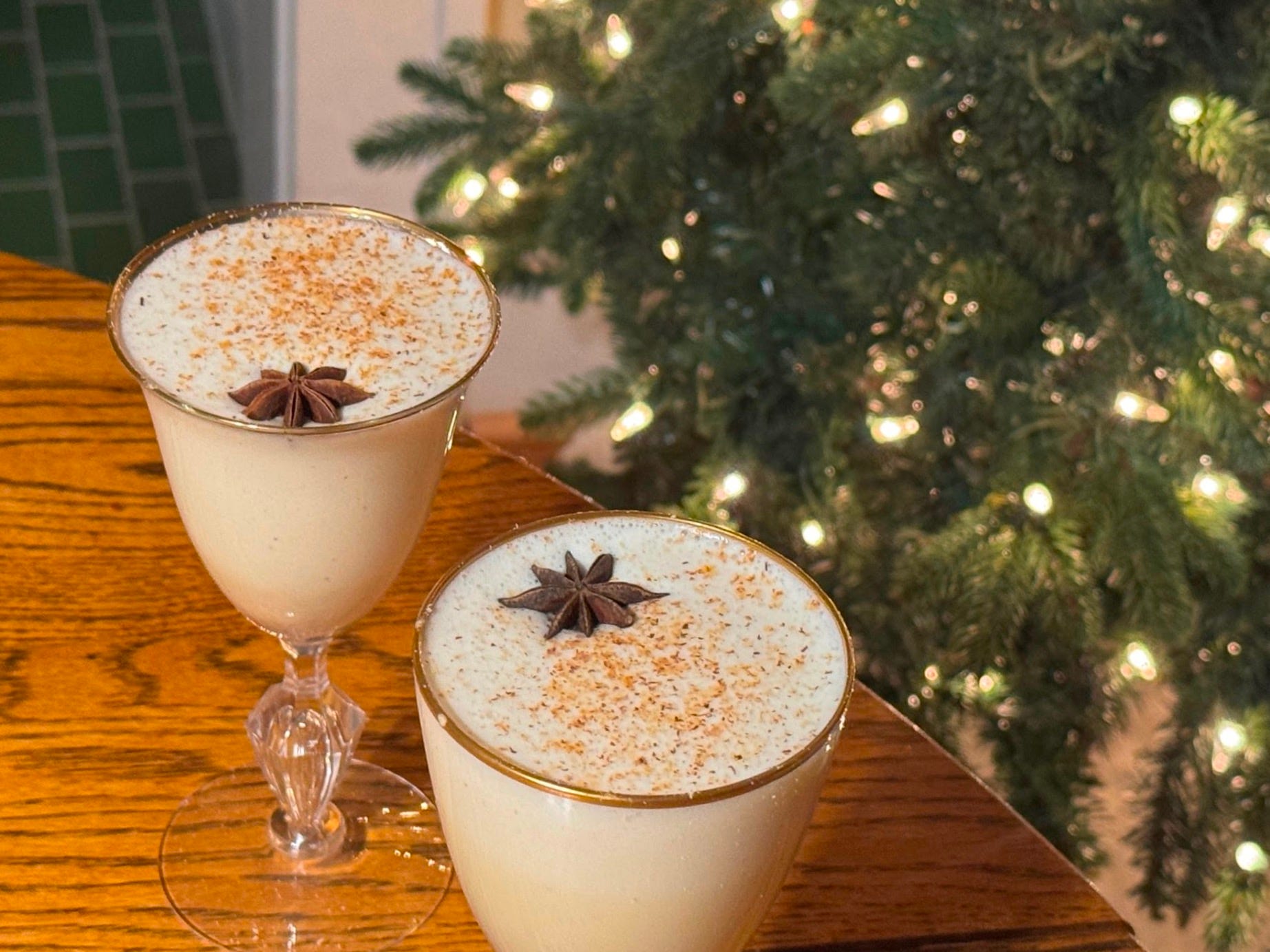
Is it just me, or does the Christmas cookie seem to have gotten a little… high concept this year? Everyone seems to be candying their own ginger, mixing rosewater into jelly with an eyedropper, or slicing logs of cookies meticulously constructed to evoke cured meats.
I support big swings and beautiful tablescapes. But to me, the best Christmas cookies are invariably the smallest and humblest. And I can think of few Christmas cookies smaller and humbler than pfeffernüsse.
Pfeffernüsse—or “peppernuts,” as they’re better known these days—are a delicious, unphotogenic holiday classic especially popular in Kansas. The kibble-sized, intensely flavored cookie came to the region by way of the Volga German Mennonites who settled in the state in the 1870s. In Europe and other pockets of the Midwest, peppernuts are often made with black or white pepper in addition to other baking spices. But in Kansas, the pfeffer is more likely to come from the bracing bite of anise, which sweeps through each cookie like an icy Plains wind.
For a local perspective, I called up Alec Loganbill, editor of Plainspoken Books, a trade imprint from the University Press of Kansas. Alec was born and raised in a Kansas Mennonite family, and his grandmother’s peppernuts were part of every Christmas celebration.
To Alec, a good peppernut is all about size—the smaller, the better. His grandmother’s peppernuts lived in a snack bowl, the cookie table’s answer to Chex Mix or nuts. “I don’t even really think of them as a cookie,” Alec says, “because you’d have a handful at a time.”
Alec’s never made peppernuts. He’s never had to. To many Kansas Mennonite families, the cookie is unavoidable around the holidays.
“I find myself near peppernuts,” he says. “I would never go out of my way to find them, but I always happen to be in proximity to them. It speaks to how cultural it is, that they’re just around. They’re just part of what Christmas is.”
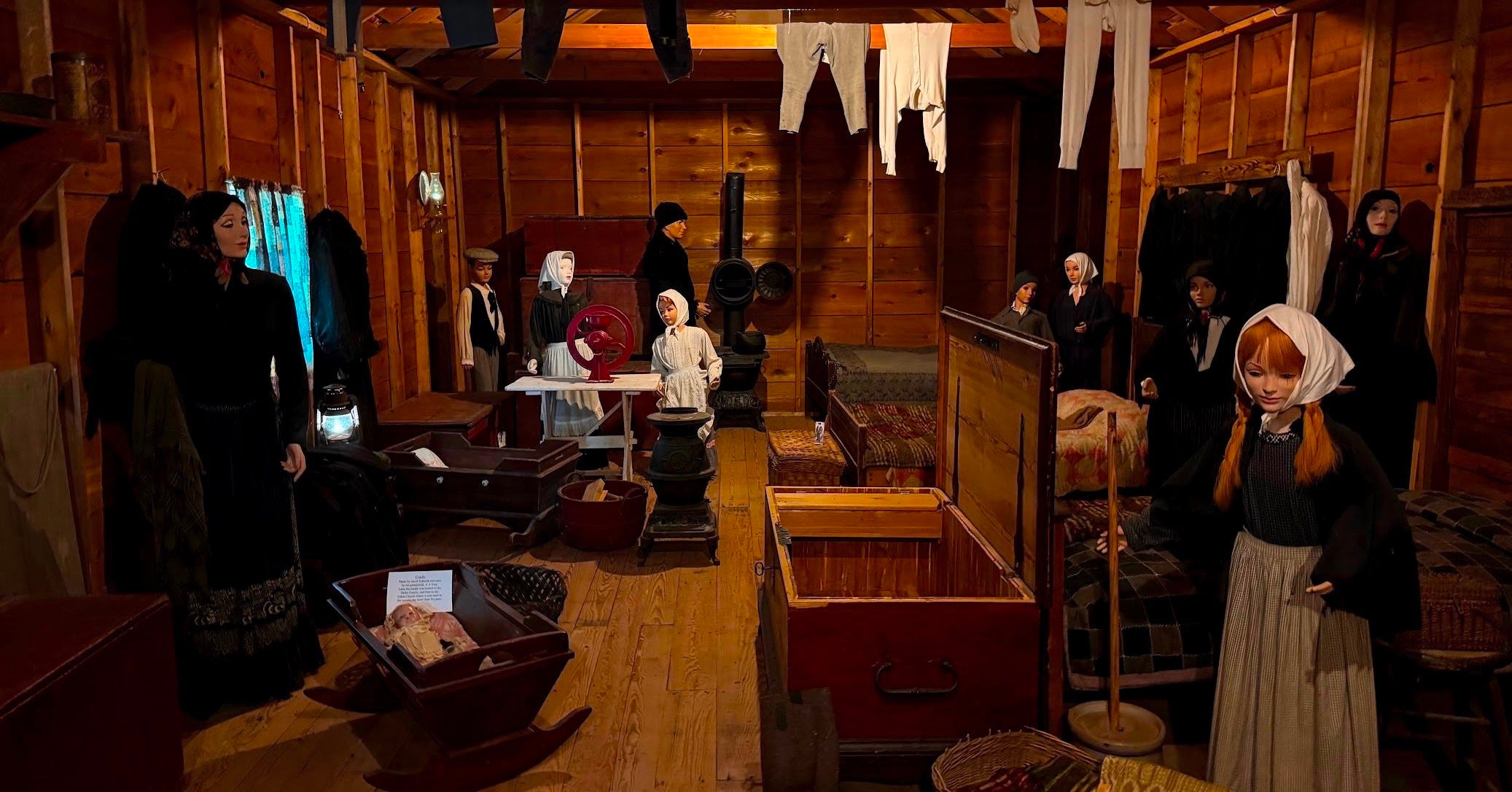
If your family isn’t fortunate enough to be proximal to peppernuts, you can buy commercial versions in bakeries and shops all over Kansas. I’ve tried every variety I can get my hands on, and I think it’s tough to beat the peppernuts sold at the Mennonite Heritage and Agricultural Museum in Goessel, Kansas (look for them by the register, packaged in discreet Ziploc bags). But if you’re outside driving distance from the museum, you can mail-order a still-excellent version from the Newton, Kansas, store Prairy.
At this point, you’re probably expecting a recipe for peppernuts. Like a mortadella cookie on a charcuterie board, I am here to disappoint you. I have neither the steady hands nor the patience of a Mennonite grandmother to make them. What I do have is a stacked liquor cabinet and a Costco-sized pack of eggs.
So instead of pfeffernüsse, I’m making pfeffernög. Before you throw anise kibble at me, hear me out: Isn’t the Christmas story about adaptation? About getting by with a manger instead of a hotel bed?
And much like pfeffernüsse, eggnog is a tradition that’s expanded into a thorny-but-festive decision tree of spices and techniques. Should it be aged or un-aged? Should you use whole eggs or yolks only? Bourbon or rum? After substantial testing on all these dimensions (yes, I bought another Costco pack of eggs), I bring you a peppernut-flavored recipe that’s designed to be served à la minute—perfect for those of us who don’t need one more holiday task to plan for.
The secret ingredient in this nog is the sauce. While the pfeffernög includes a small amount of bourbon to boost the baking spice notes, the dominant flavor comes from a heavy pour of absinthe. Any absinthe will do, but I recommend the absinthe verte from KC-based distillery Lifted Spirits, to stay true to this nog’s Midwestern inspiration.
You can swap the bourbon for rum if you prefer, but I don’t recommend swapping out the absinthe—that’s what brings the pfeffer to the nog. If your family hates anise, just find a different recipe (or a different family). Like the cookie this recipe is modeled after, the bracing, wintry anise flavor is the point.
Alec agrees. “There has to be anise,” he says. “I have some friends that are in the anti-anise group for peppernuts. To me, that’s like saying ‘I prefer my chocolate chip cookies without chocolate chips.’”
Frohe feiertage, friends.
PFEFFERNÖG
Makes 2 quarts, serving 6-8
Total time: 10 minutes
After testing versions with both whole eggs and yolks only, I landed on a nog that falls somewhere in between, with a 3:1 ratio of yolks to whites. Yes, it’s a bit fussy—you’ll have to save those extra egg whites for frosting, or maybe a Ramos gin fizz. But the result is a nog that preserves much of the custardy richness of an all-yolk nog in a lighter, fluffier body.
Ingredients
6 egg yolks from 6 large eggs (about 120 g; 4 oz)
2 egg whites
1 cup (7 oz; 198 g) granulated sugar, 2 tbsp. reserved
1 ½ cups (12 oz; 337 ml) heavy cream
1 ½ cups (12 oz; 337 ml) whole milk
1 cup absinthe (8 oz; 237 ml)
½ cup bourbon (4 oz; 118 ml)
¾ tsp. ground ginger
½ tsp. ground cinnamon
Whole nutmeg, for garnish
Whole star anise, for garnish
Preparation
Using a hand mixer or a stand mixer with the whisk attachment, beat egg whites on low speed until frothy, about 30 seconds. Increase speed to medium-high and beat about 90 seconds more, until egg whites are thick and foamy. Reduce speed to medium, add 2 tbsp. of the sugar, and beat until incorporated, about 30 seconds. Transfer egg whites to a larger bowl. Don’t bother washing the mixer bowl yet.
Add egg yolks, all the remaining sugar, cinnamon, and ginger to the mixer bowl and beat at medium-high speed until pale yellow and ribbony, about 2 minutes total, scraping down the sides of the bowl as needed.
Add milk, cream, absinthe, and bourbon, and mix on low speed to combine.
Add egg whites to the bowl and mix on the lowest possible speed for 30 seconds, or until completely incorporated (if you’re worried about deflating the whites, you can also use a handheld whisk or rubber spatula).
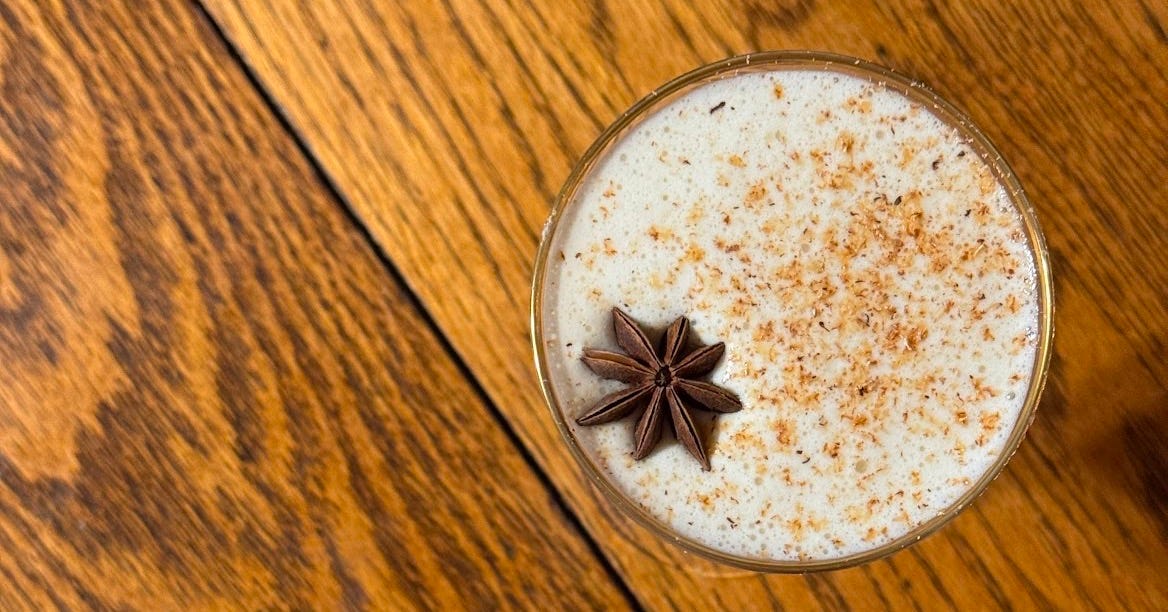
Serve immediately, garnishing each cup of nog with one star anise pod and a shower of freshly grated nutmeg.
Note: Leftover nog will keep safely in the fridge in a sealed container for months, but the volume will deflate, and the mixture will begin to taste harsher and boozier the longer it sits.